Warning: Creating default object from empty value in /var/www/100pctfremmed.dk/public_html/wp-content/themes/oshin/ReduxFramework/ReduxCore/inc/class.redux_filesystem.php on line 29 Portfolios Arkiv - Page 8 of 15 - 100% Fremmed?
Refugees should not be helped the same way as people born and raised in Denmark.
I am not 100% foreign, but then again neither 100% Danish. My habits and rhythm have been adjusted to those of this society. I get up early, ride my bike to work, have weekends off. But I am also
influenced by my background. I insist that you should be allowed to practice your religion, even though you live in a country where most
people are atheists.
In many municipalities, the integration department has been merged with the employment department, which is not necessarily a good idea since integration policy is not equal to employment policy. Overall one can argue that refugees have some additional challenges in terms of getting a job, which do not apply to others in the employment area and vice versa. One should not put people in boxes and think they
can’t do anything because of their culture, but also you should not ignore from where and what people come.
Refugees should not be helped the same way as people born and raised in Denmark. If you want to treat people equally, you need to treat them
differently.
To me it would be perfectly alright with a lower level of pay for refugees, albeit just for a limited period. I know that some would argue that this might lower the general level of pay. However, I think that you need to start this way, because too many refugees are just not able to start on a level which matches the requirements of the Danish labour market.
Khalil Ahmad / 51 years / male / in a relationship / children / M.Sc. Sociology / integration consultant / Roskilde / from Afghanistan / came to Denmark in 1987 / residence permit same year
One turns one’s religion and traditions up or down in order to fit in, or to have something to hold on to or to aim for.
I feel about 25% foreign, but less than 75% Danish. In Bosnia I feel foreign too, but then on the other hand I do feel 100% Bosnian. My background gives me a special perspective, and the language plays
a part in that too, because I don’t feel 100% myself in Danish.
I was born and raised in a communist country, where you cultivated community and brotherhood, but not religion. I didn’t find out I was a Muslim until I was 12 years old, when I was told not to wear black for a funeral. When we came to Denmark, we began to embrace the Muslim identity more and more, but we are moderate. I am aware that
religion can lead to division, because it was religious issues which led to the war and our fleeing. We received a warm reception in
Denmark, and I can’t say if we would have stuck more to the religion if we had been ostracised by the society the way that some refugees
are today.
Your cultural identity depends on how you are received. One turns one’s religion and traditions up or down in order to fit in, or to have something to
hold on to or to aim for.
The Muhammed crisis became an identity crisis for me, because the debate was so polarising. I found it difficult to identify with either party and missed the voices from the centre.
Selma Pervan Salcin / 37 years / female / in a relationship / children / office worker /
Frederiksberg / from Bosnia-Herzegovina / came to Denmark in 1992 / residence permit 1997
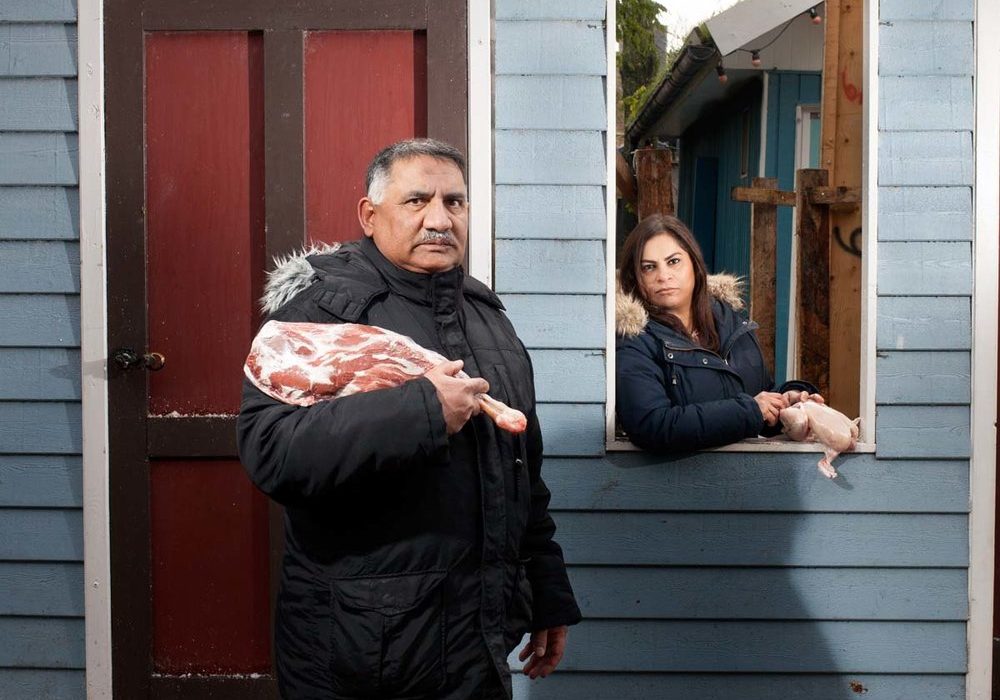
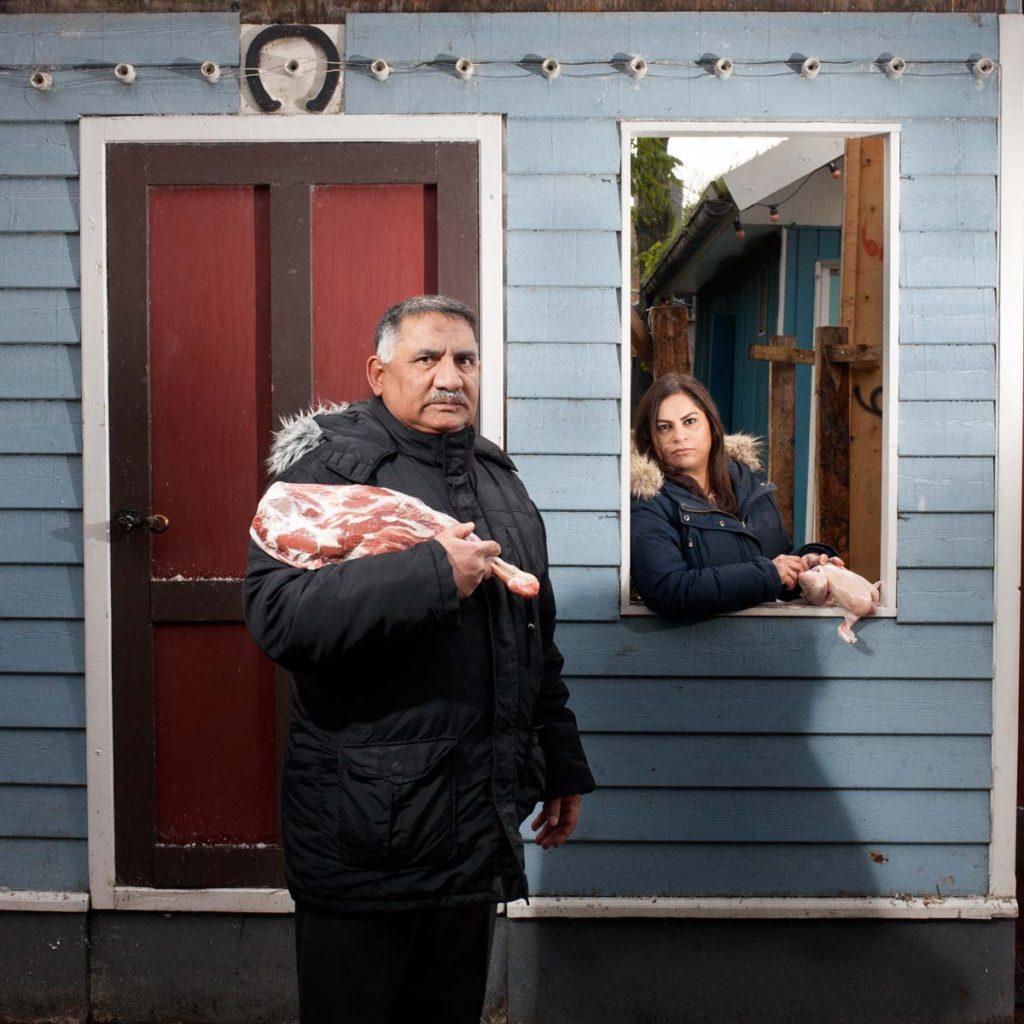
In Denmark the cemeteries are empty, whereas in Pakistan people go there every day to pray for their deceased family members. It is comforting to think that people close to me will be praying for me.
I don’t feel foreign here. Denmark is my home just as much as Pakistan, where I was born and raised. I have lived here for the past 29 years.
I have owned a kiosk and a butcher shop here, and the only problem is that I have never learned the language.
I would like to return to Pakistan, but I wouldn’t take my children with me. There is no way they would accept the way we live there. When they were still small and we were in Pakistan, we employed a poverty-stricken girl just off the street. She played with my children and had her meals with us. But in Pakistan people are very segregated
according to their socio-economic status, so my Pakistani family were outraged. I told them to leave my house if they couldn’t accept this poor girl. I don’t want my children’s perception of people to change from the Danish, where everyone is accepted as being equal. Many people don’t understand that I want to return despite the fact that the average life expectancy in Pakistan is only 61 and the Danish hospitals are free, and as we are growing older, we know that we will end up there sooner or later. It is important to me that my wife
and I will be buried in Pakistan.
In Denmark the cemeteries are empty, whereas in Pakistan people go there every day to pray for their deceased family members. It is comforting to think
that people close to me will be praying for me.
Perhaps they have even been better people than me, so I hope that Allah will listen to their prayers and forgive me for my sins.
Agha Muhammad Nadeem / 61 years / male / in a relationship / children / Copenhagen N / owns a butcher shop / from Pakistan / came to Denmark in 1987 / residence permit same year
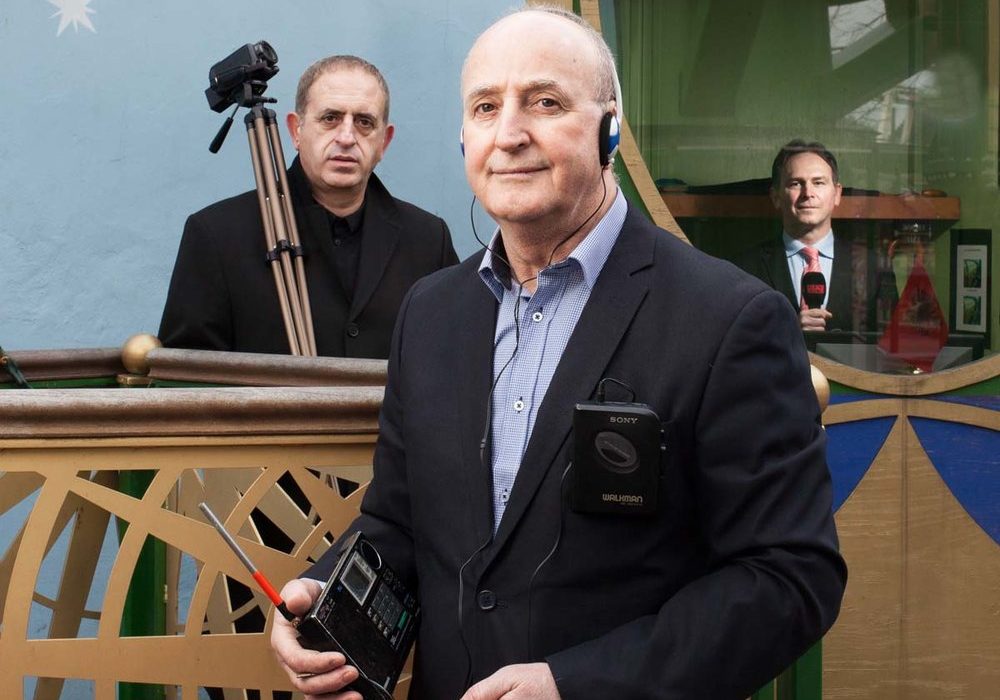
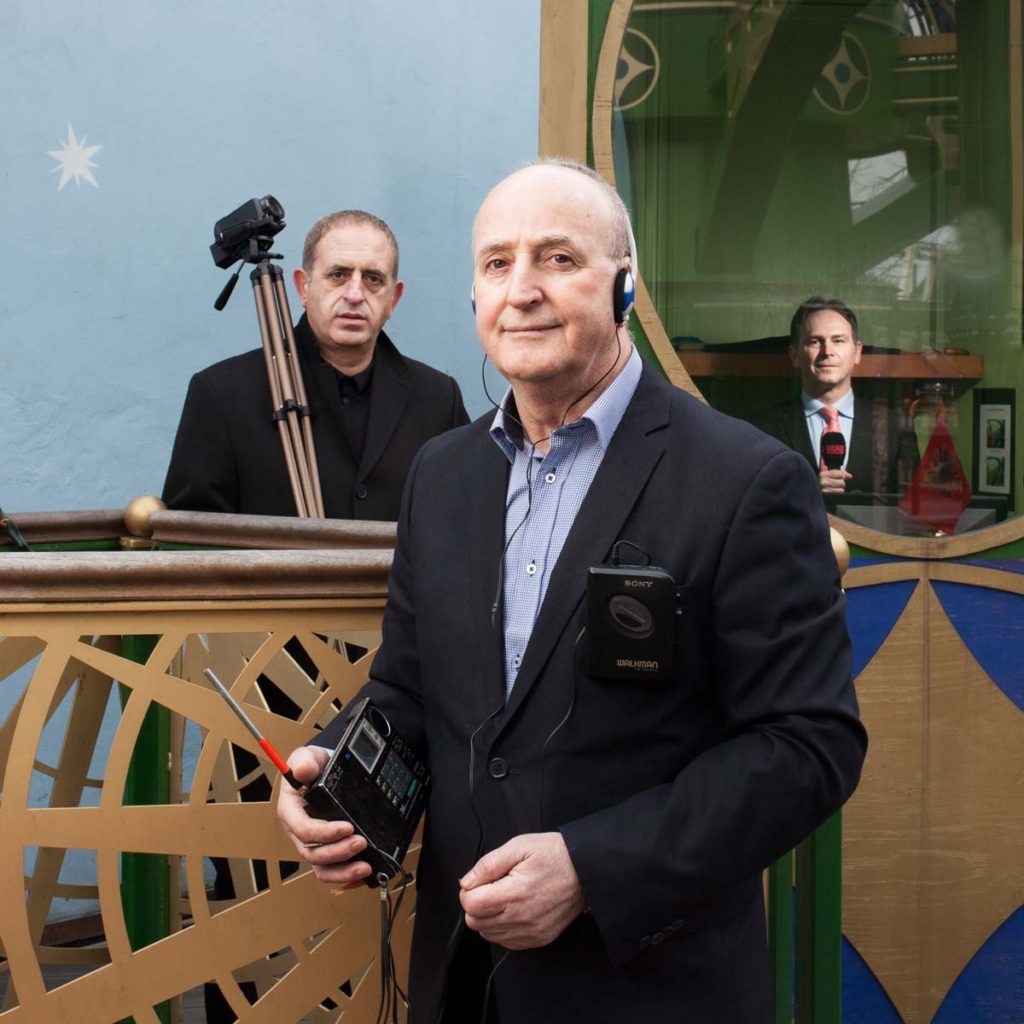
My career was ruined by politics, but I don’t regret my choice at all, because nothing is more valuable than the freedom. As long as my people are not free, nothing else matters.
I have now lived longer in Denmark than I did in Kosova, and despite having used a lot of effort fighting for the Albanian cause, I still contribute to the Danish society, and I don’t consider myself foreign in Denmark. Of course I speak with some accent, but my views are not far from other Danes.
When I was young I constantly took part in demonstrations for better conditions for the Albanians in Kosova, and because of my political
activities I spent four and a half years in prison. When I was released I began medical school, and I was just two years short of completing it when I was forced to flee. I wasn’t allowed to continue my studies in Denmark, so I began to drive a taxi, and later I trained as a pedagogue.
My career was ruined by politics, but I don’t regret my choice at all, because nothing is more valuable than the freedom. As long as my people are
not free, nothing else matters. When the Albanian media closed down in the late ‘90s, my wife Emine and I launched a radio channel here in Denmark, so we could keep all the Albanians in Denmark up to date about the situation in Kosova. You must think creatively if you want to continue with your
activism at a distance, so through the radio we tried to mobilise people to support the Albanian people. Now that the situation in Albania has stabilised, the radio’s focus has changed. We focus more on life
in Denmark, and we deal with issues such as culture and integration.
In fact it reflects the way my own focus has slowly changed. But I still dream of going back one day.
Ibrahim Xhemajli / 56 years / in a relationship / children /Brøndby Strand / pedagogue /
independent taxi driver / from Kosova / came to Denmark in 1989, residence permit in 1990
I will never forget her eyes when I told them that she was lying about being beaten.
I think that many young foreigners here in Denmark feel divided. Society says that they should behave in one way and the family says something else. If they become too “Danish”, they are letting down the family, and if they are too “foreign”, they are letting down the society.
I had a wonderful life until I met my husband. He used to beat me, and I lived in constant fear. When the war began in Afghanistan, he fled to Denmark, while I was living illegally around the world with
our two children. We ended up getting divorced, and my children were reunited with him. When I came to Denmark, some years later, I felt like I had come to hell. He was beating the children, he hit them as if he were hitting a grown man. He threatened me by saying that he would take the children away from me. He made me believe that
I had no rights here, and that they would deport me if they found out that we had problems in the family.
At one point my daughter went to the authorities. I will never forget her eyes when I told them that she was lying about being beaten. Shortly after this
episode, I decided that my future was so dark, that life was no longer worth living.
He took the children from me, and that made me to go to my caseworker. It was here that I found out that I actually have rights. I got full custody and were now able to protect my children. Every time I see a happy family, it hurts. I am so sorry that I could not give my children a better life. But I have a good life now, I’m getting an education, and my
children are doing well. Today my future’s so bright that I’m afraid to die before I get to experience it.
Taira Irfan Rzazade / 48 year / woman / single / children / studying to become a nutrition assistant / Copenhagen S / from Afghanistan / Azerbaijan
background / came to Denmark in 2002 / residence permit in 2004
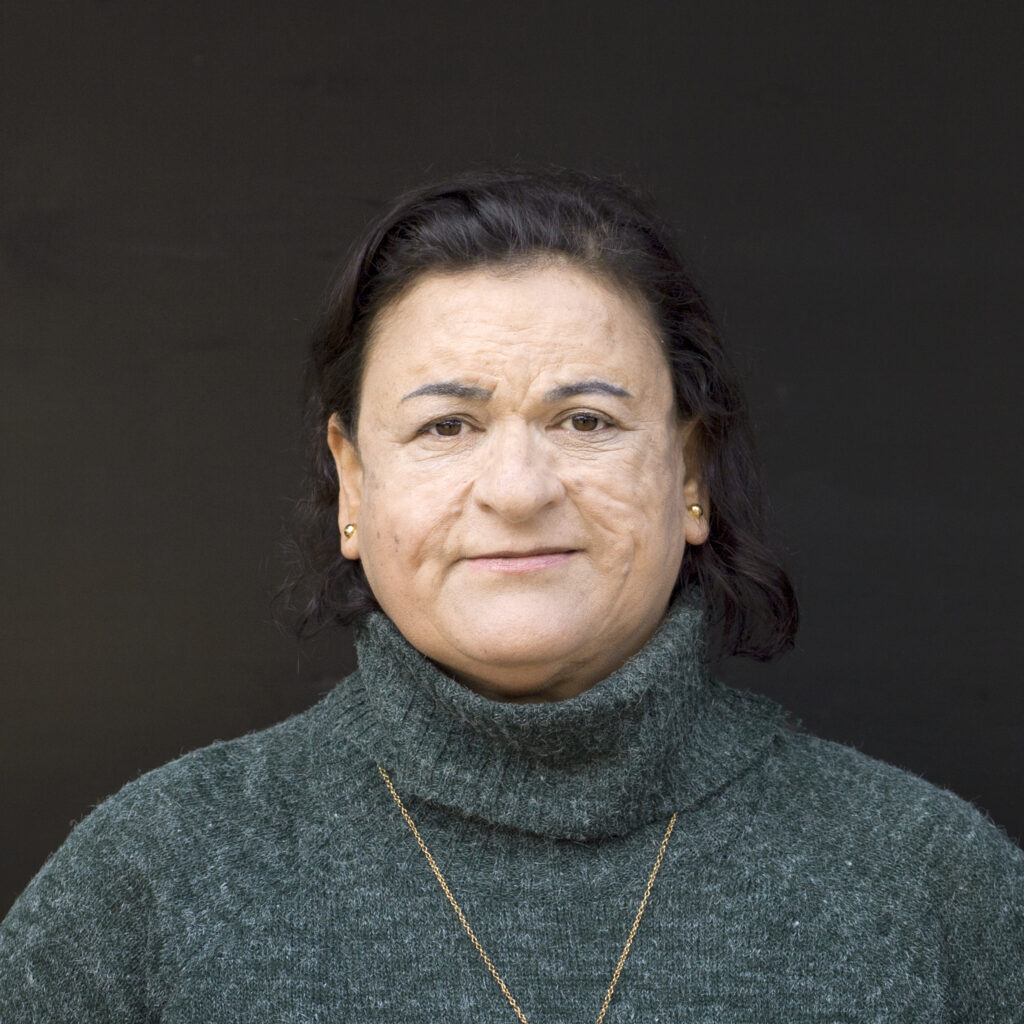
I don’t feel foreign, and I don’t feel at home. I feel safe in the knowledge that I won’t be bombed here, and that is what matters the most to me.
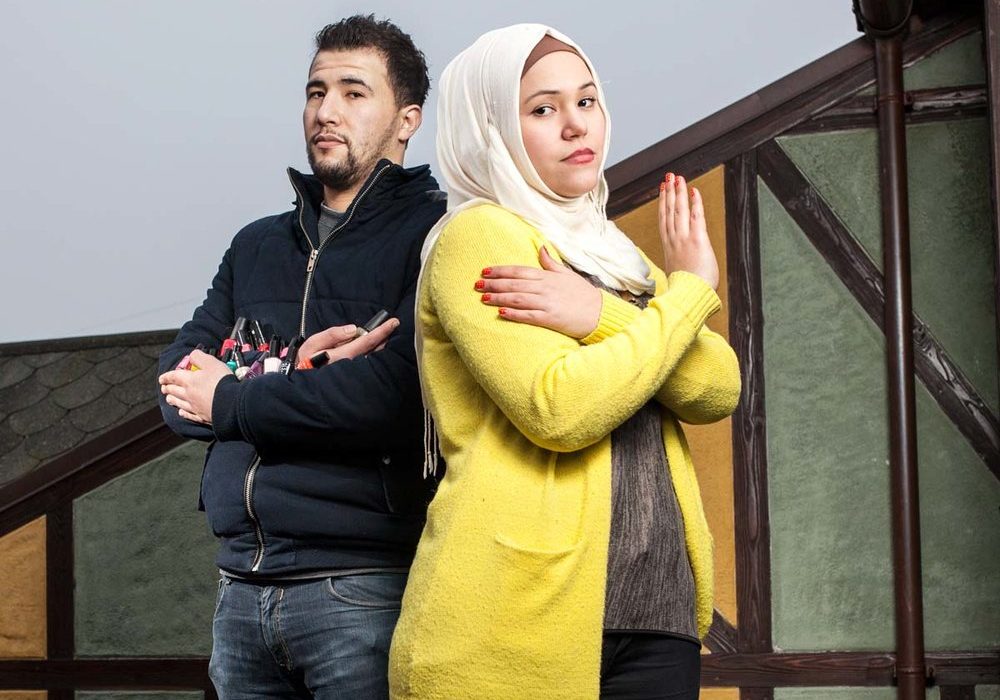
I was diagnosed with PTSD when I came to Denmark. I suffer from anxiety, and I am constantly worried that I will do something wrong. My family often reminds me that we are safe here, and that I exaggerate my problems. But I feel this huge pressure on my shoulders, especially from the municipality and the language school. I become nervous when I am thrown into situations I am not prepared for.
When I had attended language school for two months, they sent me on an internship in a nursery. I didn’t speak much Danish, and as I don’t speak English, communication was difficult to say the least. Especially with my colleagues. It was so much easier for me to speak with the kids, partly because they speak slower and use a much simpler language, and partly because they were more patient with me. It is not until now, 18 months later, that I can feel my hands again.
For a long time I couldn’t even hold a pencil because my hands were numb. It is like they, like me, are slowly beginning to thaw. When it all gets a bit too much, I dance. I dance every day. It helps me relax and forget my problems for a while.
Ruaa Omar / 23 years / female / single / Brøndy Strand / attends language school / from Syria / Palestinian background / came to Denmark in 2016 / residence permit same year
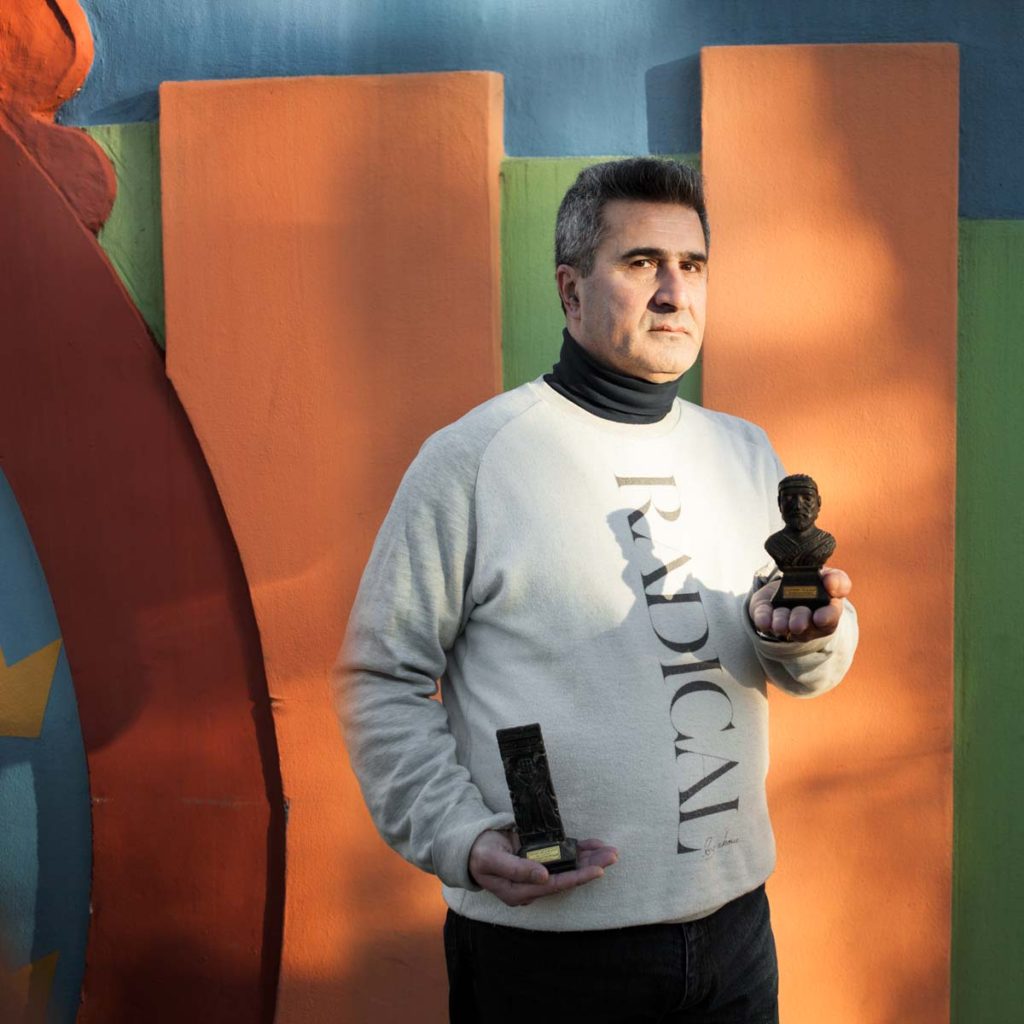
They don’t just leave their homes because they want to live off benefits in the West.
I’ll never become Danish. I am Iranian and proud of it, but someone has deprived me of being able to live in my home country, and now I am also foreign there. Many of my family members are still in Iran,
and it is hard to live without one’s family, since a family is not a family only due to blood ties or surnames, but because of the experiences you have together.
What is happening right now is not a refugee crisis. It is a global inequality crisis, for which the West carries a large responsibility, but will not discuss. Western interests in oil have ruined many things in
the Middle East, and when life becomes a veritable hell hole, people can only flee.
They are not stupid. They don’t just leave their homes because they want to live off benefits in the West. They flee because they have no other options,
and they flee to where life is.
In the media they talk about the number of refugees coming to Europe, how many Denmark can take, and how you can keep them away. Why
doesn’t anyone ask why there are so many refugees? Why doesn’t anybody look for the reasons? The politicians live of what comes out
of their mouths, and the journalists make PR for them, but it shouldn’t be like that. The ones holding the microphone have a duty to search for the truth, not to promote themselves.
Parviz Yousefi / 64 years / male / in a relationship / children / trained teacher / retired bus driver / Copenhagen SV / from Iran / came to Denmark in 1988 / residence permit in 1989
When dance is improvised, no-one can tell what is right or wrong.
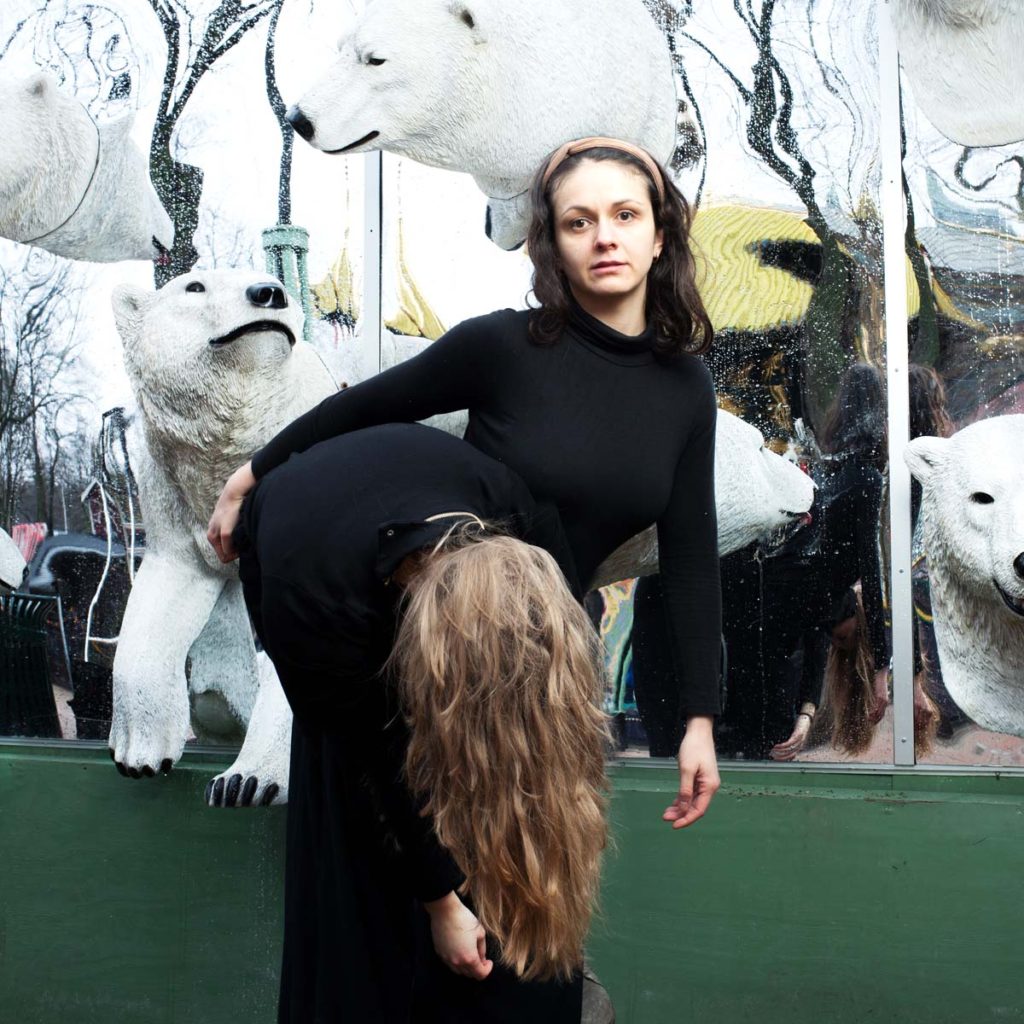
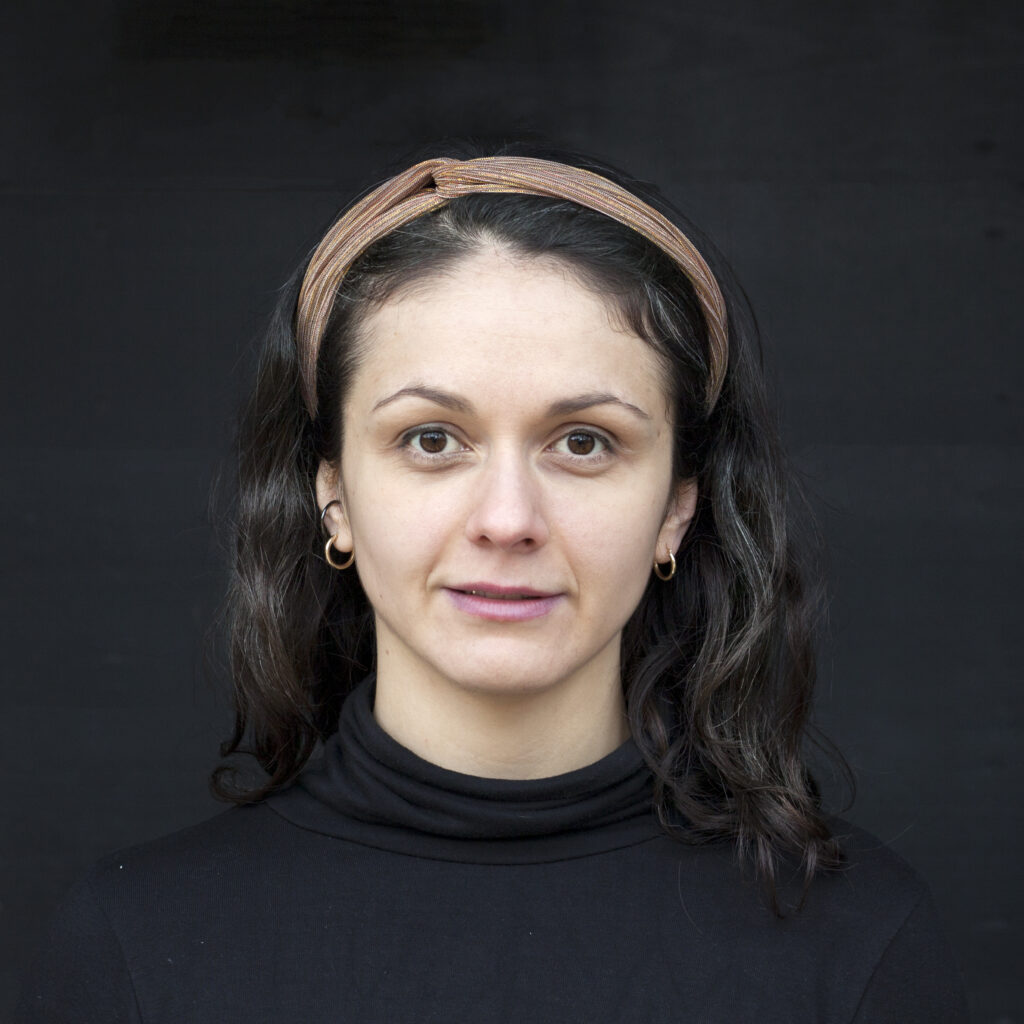
Whether or not I feel foreign depends totally on the context. Foreignness is about feeling misunderstood, a feeling that can occur anywhere.
The body is important in my life. I have always danced, and once I was contemplating trying to make dancing my career, but I dropped the idea because I did not want to reduce my body to a tool.
As a professional dancer my body would constantly be competing with other bodies, and I would rarely be able to have a lazy day or drink a glass of red wine. I would lose ownership of my own body, and
dancing would lose its character of being free space, and I did not want to risk this.
When dance is improvised, no-one can tell what is right or wrong. You are just a body in the room, and that is so liberating to experience in a society
where the body has been reduced to a transport system for the brain.
The sick body needs our attention, even though it’s not mentioned a lot in the media, but we distance ourselves from the healthy body by exposing and optimizing it without taking time to feel it. The body has become so sexualized. It has become an object which is always given a meaning, a function. The body is either a right or a wrong body, but never allowed just to be a body. We have become poor at being naked, and that is sad, because nakedness is so natural. If you are afraid of your own body, then how can you relate to or embrace the bodies of others? Perhaps, if you were able to accept different bodies, you would also be better at accepting diversity in the broadest sense.
Aira Kamic / 29 years / female / in a relationship / medical doctor / Copenhagen / Thy / from Bosnia and Herzegovina / came to Denmark in 1993 /
residence permit in 1997
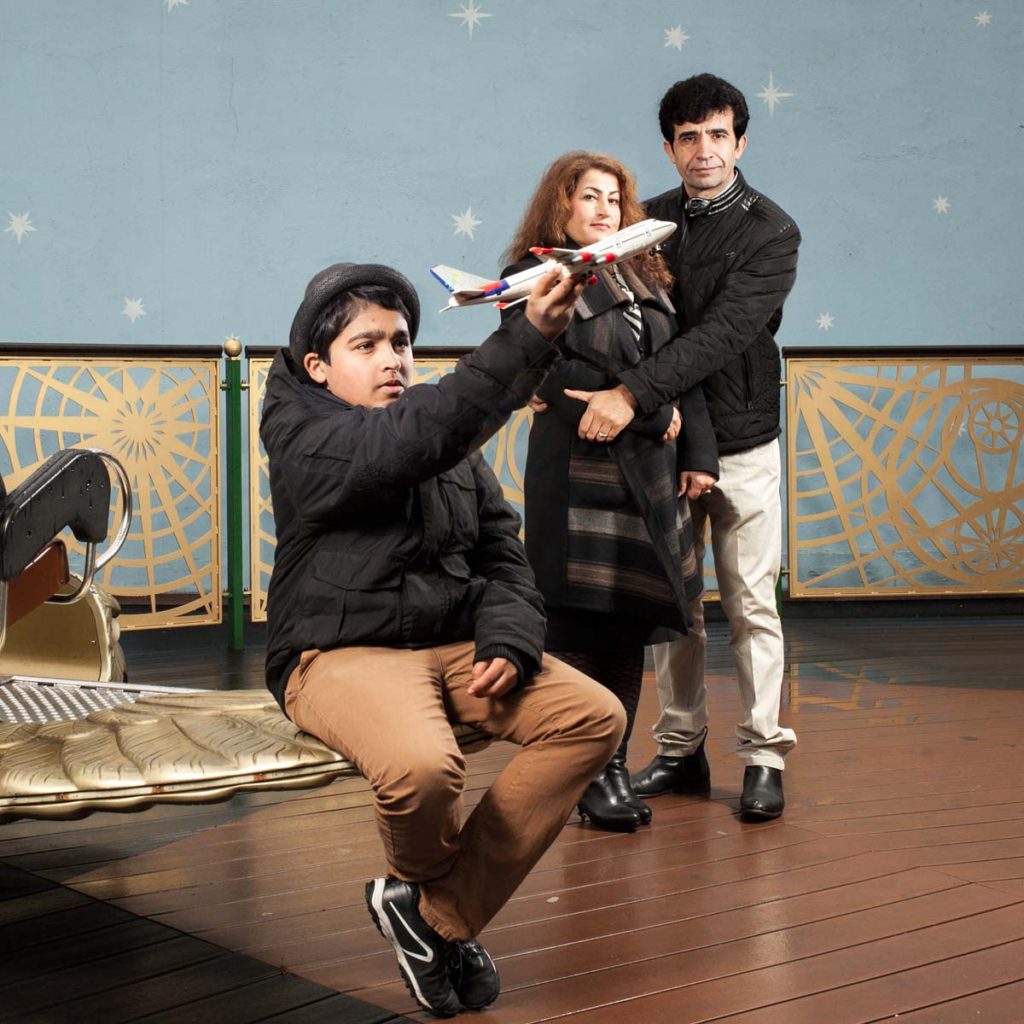
In Denmark we began a new and different battle, namely a battle to get an education and a job and to create a family.
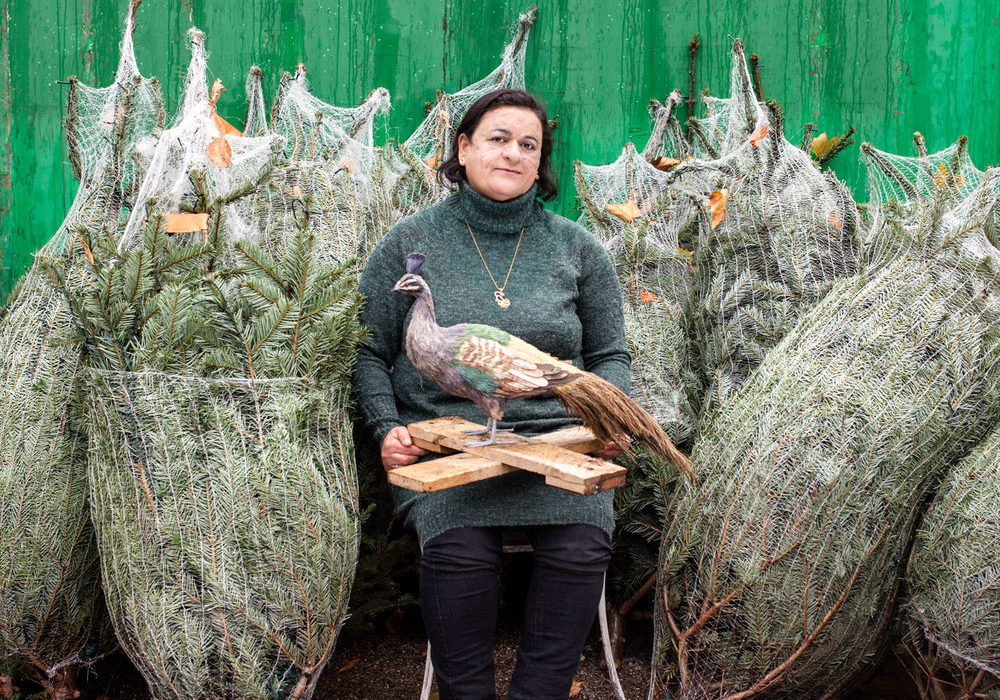
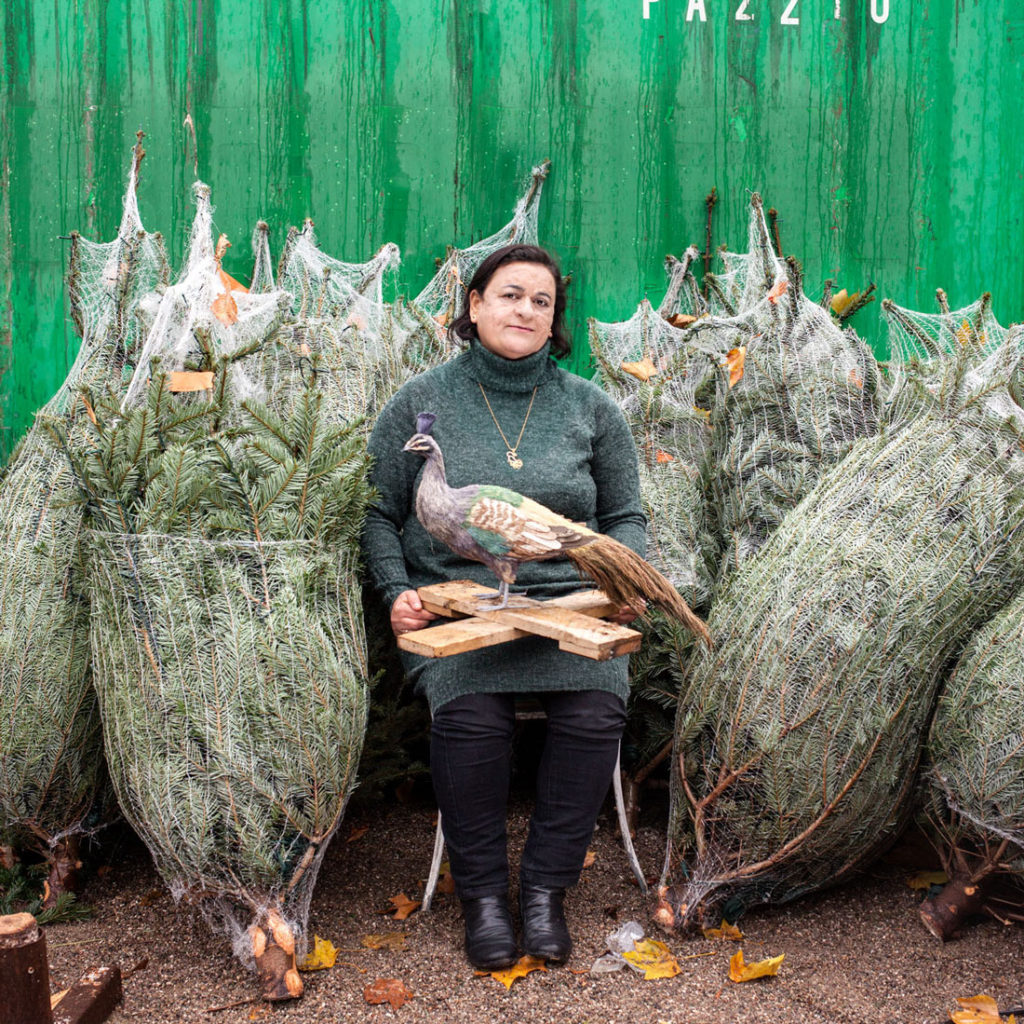
I consider myself Danish, but my face and my body are what they are, and I still carry the Iraqi culture in my emotional baggage. My husband and I are Yazidis. In our religion the peacock angel is God’s
representative on earth and a symbol of beauty. It adorns our home, reminds us where we come from, and influences our way of thinking.
There is a Kurdish proverb saying that man is a bird without wings, and that you therefore cannot control where you land. I landed in Denmark when I was 29 years old, and my life started over again.
In the beginning I was startled to see so many cars with luggage in roof racks, because they resembled the cars in Iraq driving around with coffins, but I gradually became used to it.
In Iraq we were challenged by the Saddam regime, because it did not tolerate our thoughts on democracy and diversity. In Denmark we began
a new and different battle, namely a battle to get an education and a job and to create a family. For ten years I received fertility treatment, alas with
no success. It was hard to build up expectations again and again for so many years, but end up disappointed every time, so at some point my
husband and I decided to stop trying. It makes me so sad that we failed. My husband had children from a previous marriage. We have a photo of them in our living room, but that is all we see of them.
They were caught by Saddam’s forces and disappeared many years ago. I know that it hurts my husband, but he is strong, and he always
supports me and tells me that now it is all about our life together.
Aysha Kawal / 46 years / female / in a relationship / pedagogue / Brønshøj / from Iraq / Kurdish background / came to Denmark via family
reunification in 1999
Many people tell me that I should see my situation as a sort of rebirth, where I get the opportunity to start afresh.
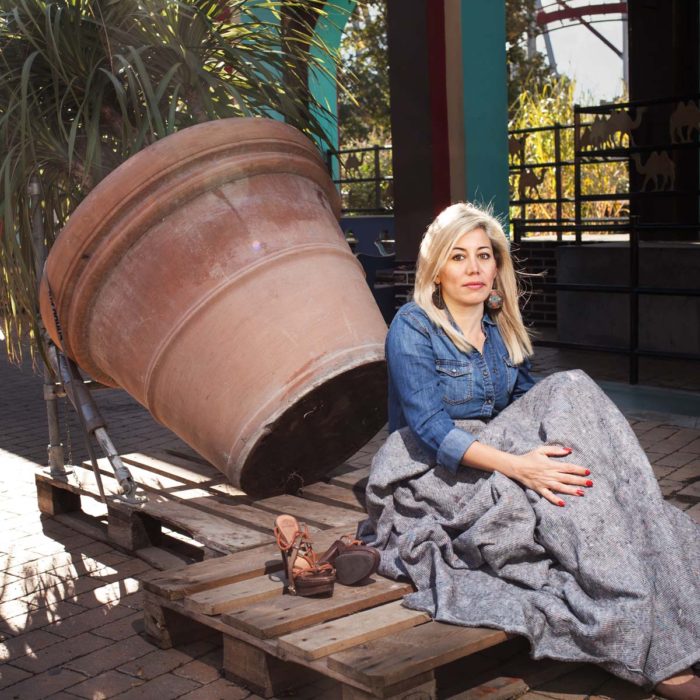
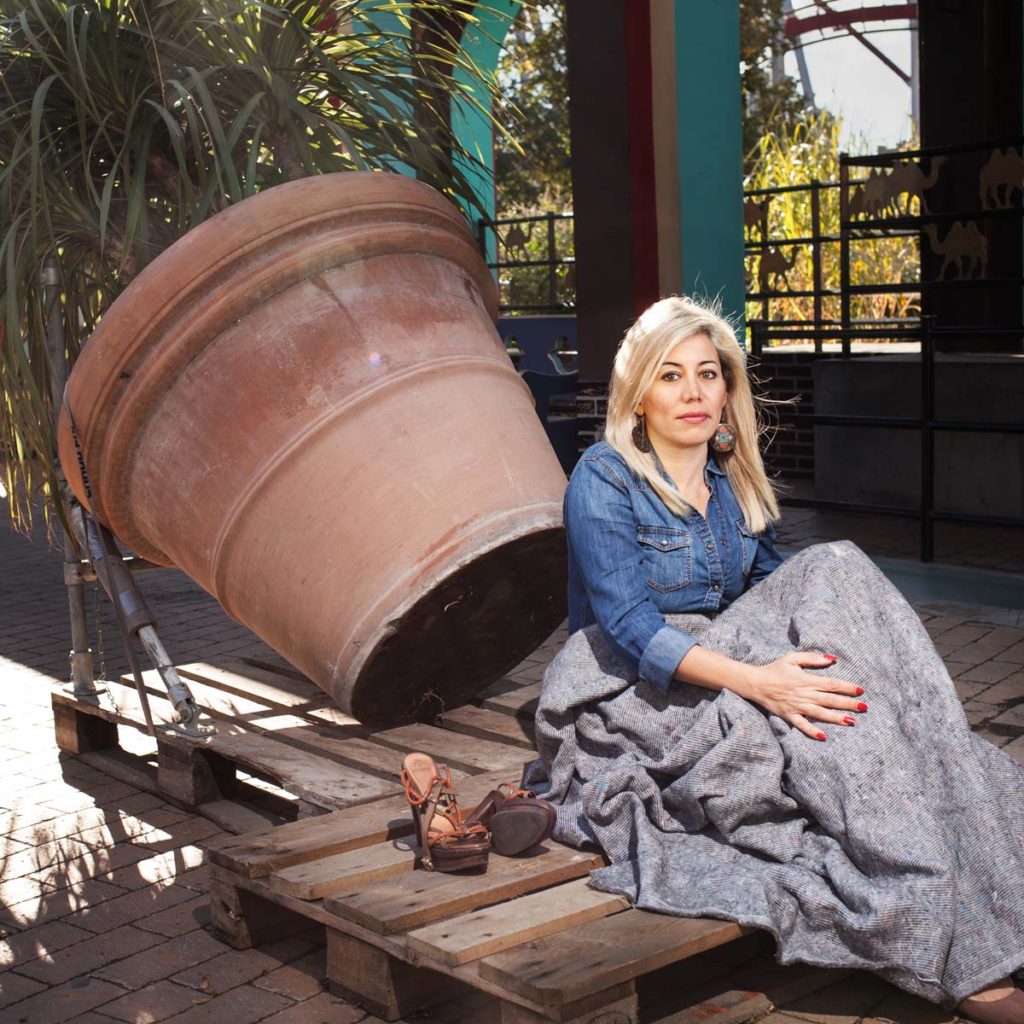
I am 100% Syrian and proud of it. I don’t think I have to be 100% Danish in order to be well-integrated. Material things have always been important to me. As a former TV presenter it was important for me to have a nice appearance. I
would often spend half of my wages on a cool handbag or a pair of fantastic shoes. When I fled Syria I only took the most necessary things with me, and three pairs of stilettos. I might be a refugee, but I was still me.
When you lose everything, your view on materialistic things change completely. I have had to abandon my home twice. I did not only lose all my belongings, but also all the memories and
dreams of the future associated with them. When I moved into my present home, about six months ago, I decided that this was to be our home. The thought of it made me happy, but it also filled me with fear. I fear that we might once again be forced to flee, but most of all I fear the grief associated with losing everything. So I am afraid to put down roots. Many people tell me that I should see
my situation as a sort of rebirth, where I get the opportunity to start afresh. I see it more like a bloody abortion. My life was ripped out of me when
I had to flee from Syria. It was bloody and gloomy, and now I stand here and I must start anew with an open and positive mind. I have put down roots, though, and in the two years I have been here, I have made fantastic friends who have supported me such a lot.
Lilas Hatahet / 37 years / female / single / children / trained theatre critic / works as a journalist / Nivå / from Syria / came to Denmark in 2014 /
residence permit same year